

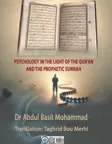






Psychological Counseling in the Light of the Qur’an and the Prophetic Sunnah
Psychological counseling is one of the branches of psychology that aims to help individuals understand themselves, overcome their psychological, social, and emotional problems, and achieve adaptation within their environment and society. While this field has flourished in modern times through the efforts of Western psychologists, Islam preceded this concept and presented refined practical and spiritual models of psychological counseling through the guidance of the Noble Qur’na and the teachings of the Prophet Muhammad ﷺ.
This chapter presents a comprehensive study of the concept of Islamic psychological counseling, its methods, characteristics, and practical tools, along with a comparison to modern counseling approaches.
First: the Concept of Psychological Counseling in the Islamic Perspective
Linguistically, “counseling” (irshād) is derived from “rushd,” meaning guidance and direction toward goodness. In the Qur’na, derivatives of the term appear in several places, including the saying of Allah Almighty:
“Truth stands out clear from falsehood” [Al-Baqarah: 111].
The Prophet ﷺ also used dialogue with the young man who sought permission to commit adultery. He convinced him intellectually and emotionally, then placed his hand on his chest and prayed for him. The young man left with adultery becoming the most hated thing to him.
Reminding of the Hereafter and Hope in Allah Almighty’s Mercy:
Allah Almighty says:
“O My servants who have transgressed against themselves, do not despair of the mercy of Allah Almighty” [Az-Zumar: 53].
This verse is among the greatest sources of psychological guidance for those who feel despair or frustration.
Using Stories in Psychological Healing:
Such as the story of Prophet Yusuf ﷺ, which represents a complete psychological cycle: trauma, trial, patience, relief, and victory.
“So patience is most fitting” [Yusuf: 18]
“Indeed, whoever fears Allah Almighty and is patient—Allah Almighty does not allow the reward of the doers of good to be lost” [Yusuf: 90].
Strengthening Identity and Self-Belief:
The Prophet ﷺ said:
“The strong believer is better and more beloved to Allah Almighty than the weak believer, though there is good in both.”
This strength refers primarily to strength in faith, determination, and commitment.
Third: Characteristics of Islamic Psychological Counseling
•It treats the self (soul) as na integrated spiritual and physical entity.
•It aims to reform the relationship between human and Allah Almighty, then with oneself, then with others.
•It is based on ethical principles and purification (tazkiyah).
•It takes the Qur’na and Sunnah as primary sources of guidance.
•It considers individual, psychological, and social differences.
Fourth: Means of Counseling in the Life of the Prophet ﷺ
Active Listening
The Prophet ﷺ listened attentively to complaints, such as the cases of Al-Khansa’ and Hind bint ‘Utbah.
•Supplication for the Counseled Person:
As he prayed for the young man who sought permission for adultery.
•Optimism and Giving Glad Tidings:
The Prophet ﷺ said:
“Make things easy and do not make them difficult; give glad tidings and do not drive people away.”
•Individualized Guidance:
Each personality was treated according to what suited it; the Prophet’s advice to Abu Hurayrah differed from his advice to Abu Dharr.
•Cognitive Restructuring:
Such as when he said to the young man: “Would you accept it for your mother?”—a powerful reframing technique.
Fifth: Examples From the Prophetic Biography
•Khalid ibn al-Walid (may Allah Almighty be pleased with him):
After embracing Islam, the Prophet ﷺ reassured him by saying:
“Do you not know that Islam erases what came before it?”
•Ka‘b ibn Malik (may Allah Almighty be pleased with him):
In the incident of Tabuk, he experienced a period of psychological isolation, followed by divine relief and accepted repentance.
Sixth: the Impact of Islamic Counseling on Mental Health
•Reducing depression and anxiety through belief in divine decree and reliance on Allah Almighty.
•Strengthening patience and psychological resilience through prayer, remembrance, and supplication.
•Achieving inner satisfaction and spiritual harmony.
Chapter Summary
Islamic psychological counseling is not merely therapy or consultation; it is a comprehensive faith-based path for building and purifying the self. Today, there is a strong need to revive and develop it in response to the spiritual emptiness experienced by many, despite the advancement of Western psychological treatment.